Detroit beat: how the hard 2026 sound is built and where to get one free
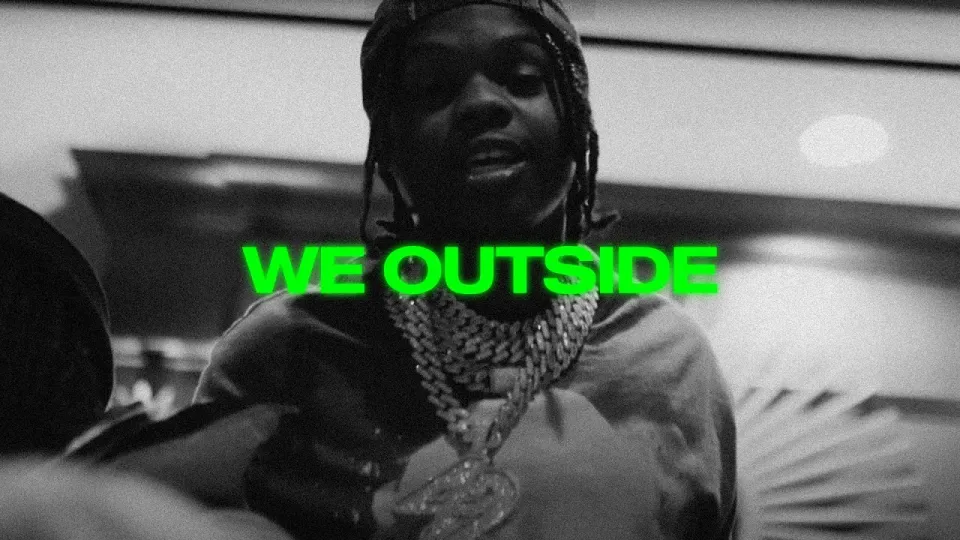
Video: (FREE) HARD DETROIT TYPE BEAT 2024 - "WE OUTSIDE"
You can order the same kind of articles for your own video to boost it on YouTube and Google. Just message the Telegram bot @sat_sit_bot. Articles with your video embedded are written and posted by the bot itself — on popular topical sites (no ads). Your first 50 articles are free.
· based on the channel davegotbeats
A Detroit beat is a rap instrumental built on fast, punchy 808s, syncopated hi-hats and sparse, dark melodies, usually sitting between 140 and 160 BPM. The style grew out of Detroit's rap scene in the 2010s and became one of the most imitated sounds in trap production. A hard Detroit type beat in that tradition is what producer davegotbeats uploaded as "WE OUTSIDE" — a free download you can grab through the purchase and license link bsta.rs/XPubtt, which also carries a buy-2-get-2-free offer.
What makes a Detroit beat sound like Detroit
A Detroit beat is recognizable before the first bar ends, because the genre leans on a small set of production habits rather than a single drum kit.
The core ingredients:
- Tempo. Most Detroit instrumentals land between 140 and 160 BPM. That is faster than mainstream trap, which is why the drums feel urgent without needing extra layers.
- 808 bass. The 808 carries the low end and often doubles the kick. In Detroit beats it is tuned to the key of the melody and slides between notes rather than sitting on one pitch.
- Hi-hats and claps. Hats are heavily syncopated — rolls, triplets and off-grid placements — while the clap or snare usually lands on the third beat, giving the pattern a lopsided bounce.
- Sparse melody. Dark piano, bells, brass stabs or a single detuned synth line. Detroit beats leave space; the rapper's cadence fills it.
- Mix character. Distorted 808s, clipped kicks and a bright top end. The low end is aggressive on purpose, which is exactly what the "hard" tag describes.
If you strip the drums out of a Detroit beat and the loop still sounds like a horror-film theme played on a cheap keyboard, you are in the right territory.
Detroit beat vs other regional trap styles
Detroit beat production is often confused with UK drill, New York drill and standard Atlanta trap, but the differences are audible in the first few seconds.
- Versus UK drill: UK drill typically sits around 140 BPM with sliding 808s and a heavy emphasis on a repeating minor piano melody. Detroit beats are looser rhythmically, with more hat variation and a clap pattern that pushes against the grid.
- Versus New York drill: NY drill borrows the UK template but adds aggressive, often brighter samples and faster hat rolls. Detroit keeps the low end darker and the arrangement barer.
- Versus Atlanta trap: classic trap sits closer to 130–140 BPM with a steady hat pattern and a clear kick-snare backbone. Detroit speeds that up and fragments the rhythm.
- Versus Detroit's own earlier sound: producers from the city's first wave used simpler, loop-based beats. The current hard Detroit type beat pushes distortion, wider 808 slides and more aggressive mixing.
For a rapper, the practical difference is cadence. Detroit beats reward short, punchy bars with space between phrases rather than dense triplet flows.
How to rap or write over a hard Detroit type beat
Writing to a Detroit beat is mostly about locking into the bounce instead of fighting it.
- Count the tempo first. Set your DAW to the beat's BPM and let the click run for a full loop before recording. At 145 BPM, one bar is roughly 1.65 seconds — short enough that a lazy delivery will sound off immediately.
- Find the pocket on the clap. The clap usually marks beat three. Land a stressed syllable there and the rest of the bar tends to fall into place.
- Leave gaps. Detroit beats are sparse for a reason. Two or three words per bar, then a pause, reads as confidence.
- Match the 808 slides. When the bass moves, shift your vocal pitch slightly or drop a syllable out. It creates the impression that the beat and the vocal were written together.
- Keep ad-libs dry and short. Long reverb tails muddy a mix that is already crowded in the low mids.
If you are recording at home, track vocals with the beat at a comfortable monitoring level and keep the input gain low. The 808 in a hard Detroit type beat is loud, and a clipped vocal will not survive the mix.
Mixing a Detroit beat: what actually matters
Mixing a Detroit beat is a low-end management problem more than anything else.
- Tune the 808 to the key of the loop. An 808 that is a few cents off will beat against the melody and sound out of tune on phone speakers.
- Sidechain or carve the kick. If the kick and 808 hit at the same time, cut a narrow notch in the 808 at the kick's fundamental instead of boosting the kick.
- Control the sub. High-pass everything that is not the kick or 808 at 30–40 Hz. Energy below that range is inaudible on most systems and eats headroom.
- Saturate instead of boosting. Distortion on the 808 adds perceived loudness without adding low-end energy that will not translate.
- Check on a phone speaker. Detroit beats are often heard on small speakers first. If the melody disappears there, the mid range is too empty.
The same logic applies whether you are mixing your own beat or mixing vocals over someone else's instrumental.
Licensing: what "free" actually means for a Detroit type beat
A free Detroit type beat is free to download, not free to release commercially without conditions.
Standard practice in the type-beat market:
- Free download / untagged use normally covers practice, demos and non-monetized uploads. It usually requires credit in the title or description.
- Streaming distribution — Spotify, Apple Music, Amazon, Deezer — requires a paid license. The description of "WE OUTSIDE" states this explicitly.
- Paid tiers typically differ by stream count, monetization rights, and whether you can register the song with a distributor or content ID system.
- Exclusive rights remove the beat from sale and give one artist sole use, usually at a much higher price.
- Keep the receipt. Save the license PDF and the purchase confirmation. Distributors may ask for proof when a track gets flagged.
Before you upload anything to a streaming platform, read the license tier you bought and check the allowed stream limit. This is the single most common source of takedowns in the type-beat world.
Common questions from artists picking a Detroit beat
The comments under free type beats tend to repeat the same handful of concerns, and they are worth answering directly.
"Can I just rap on it and upload it?" Yes, for non-monetized or demo use under a free license. The moment you distribute it to streaming services, you need the paid tier.
"How do I know if the beat fits my voice?" Record 30 seconds over it before committing. If you have to shout to be heard over the 808, ask the producer for a version with the bass turned down, or pick a beat in a key that sits closer to your natural range.
"Is it worth paying for a type beat when free ones exist?" Free beats are a good filter. Pay when a specific beat is the one you keep coming back to — and when you are ready to release it properly.
"Can I get stems?" Many producers include tracked-out stems with paid licenses. That makes mixing and mastering considerably easier, especially for the 808 and melody.
"How many beats should I license at once?" If you write consistently, buying in bundles is cheaper per beat. The buy-2-get-2-free offer on the "WE OUTSIDE" page follows that logic.
Where to get a free hard Detroit type beat
The fastest route is the producer's own catalogue rather than a random reupload.
- davegotbeats.net hosts 15+ free beats, including hard Detroit instrumentals.
- The purchase and license page for "WE OUTSIDE" is bsta.rs/XPubtt, where you can buy the beat, check the license tiers, and use the buy-2-get-2-free offer.
- Direct contact for licensing questions is available by email at davegotbeats1@gmail.com.
When you download, rename the file with the BPM and key in the filename. Six months later, when you are searching for the beat you wrote your best verse to, that detail is the difference between finding it and re-downloading it.
Final word on the Detroit beat sound
The Detroit beat is one of the few regional trap styles that stayed recognizable while the rest of the genre blurred together. Its formula — fast tempo, distorted 808s, off-grid hats, a dark and minimal loop — is simple enough to imitate and hard enough to do well. The channel davegotbeats breaks that formula down in practice with "WE OUTSIDE," a free hard Detroit type beat you can test your writing against today. Download it, write two verses, and if the beat holds up after the tenth listen, license it properly through bsta.rs/XPubtt and release it. That is the whole workflow: free to try, paid to publish.
Key takeaways
- Detroit beat is a rap subgenre built on 140–160 BPM, punchy 808s and syncopated hi-hats, popularized by Detroit rappers in the 2010s.
- A hard Detroit type beat usually runs 140–150 BPM in a minor key with a dark piano, brass or bell loop.
- Free downloads are for practice and demos only — streaming on Spotify or Apple Music needs a paid license.
- davegotbeats offers the free hard Detroit type beat "WE OUTSIDE" plus 15+ free beats at davegotbeats.net.
- Buy 2 get 2 free is the limited offer attached to the beat purchase link in the video description.
Questions & answers
What BPM is a Detroit beat usually made at?
Most Detroit beats sit between 140 and 160 BPM, with hard Detroit type beats commonly landing around 140–150 BPM. The faster tempo is what gives the drums their urgency compared to standard trap at 130–140 BPM. Always check the beat's stated BPM before you write, since the pocket depends on it.
Can I release a free Detroit type beat on Spotify?
Not with a free download license. Free type beats are normally limited to practice, demos and non-monetized uploads with credit. Distributing to Spotify, Apple Music or similar platforms requires a paid license that matches your expected stream count.
What is the difference between Detroit beats and UK drill?
Both use sliding 808s and minor-key melodies, but Detroit beats have looser, more syncopated hats and a clap that pushes against the grid. UK drill is more rigid rhythmically and leans on a repeating piano motif. Detroit arrangements also tend to be sparser, leaving more space for the vocal.
Where can I download a hard Detroit type beat for free?
The producer davegotbeats offers 15+ free beats at davegotbeats.net, including the hard Detroit instrumental "WE OUTSIDE." The purchase and license page for that beat is at https://bsta.rs/XPubtt, which also lists the buy-2-get-2-free offer and licensing tiers.
Source: (FREE) HARD DETROIT TYPE BEAT 2024 - "WE OUTSIDE" · Markdown version